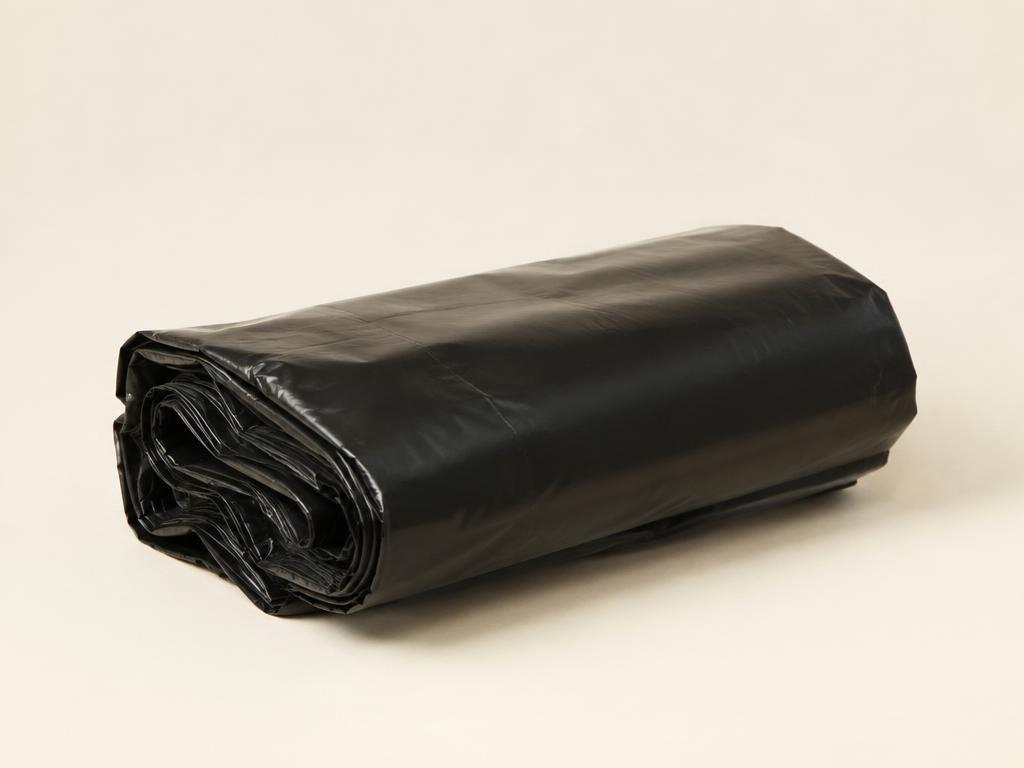
Choosing the right can liner
High- vs. low-density, gauge and size — stop paying for plastic you don’t need.
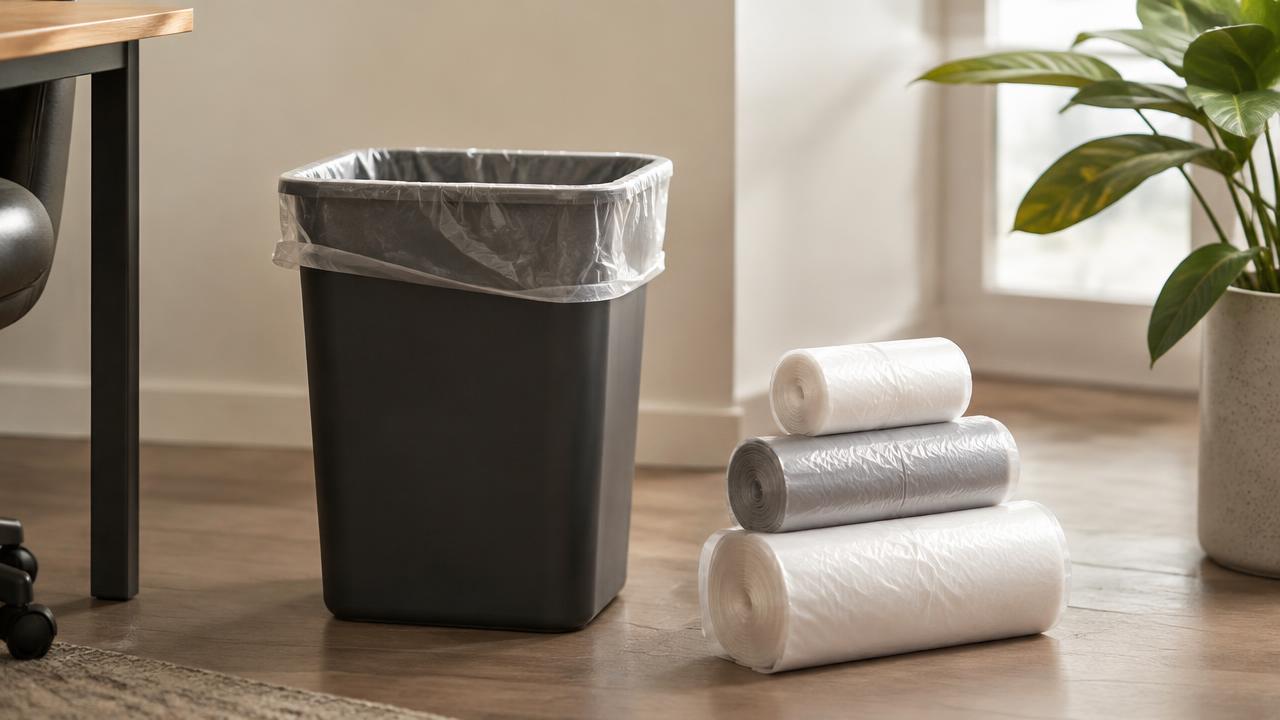
High-density or low-density?
High-density (HDPE) liners are thin, crinkly and strong — ideal for paper, office trash and non-sharp waste. Low-density (LLDPE) liners stretch and resist punctures — best for kitchens, glass, food waste and anything sharp or heavy.
Understand the gauge
HDPE is measured in microns (e.g. 8–22 mic); LLDPE in mils (e.g. 0.7–2.0 mil). A thicker number isn’t automatically better — match it to the weight and type of waste.
Get the size right
Liner width ≈ half the can’s circumference. Length ≈ the can’s height plus about 3–4 inches for overhang. A liner that’s too small slips in; too big wastes plastic and money.
Quick reference
Desk-side bins: 24×24. Restroom cans: 24×33. Office central 32–33 gal: 33×40. 40–45 gal: 40×46. Large 55–60 gal: 38×58 or 43×48.
Save on every case
Most facilities overspend by buying one heavy liner for every can. Two or three right-sized liners across your building can cut liner spend noticeably.